Engagement planning
How to Plan an Engagement Celebration: A Step-by-Step Guide
Plan a balanced engagement celebration from the guest list and ring ceremony to room layout, refreshments, photography and family responsibilities.
An engagement celebration can range from an intimate meeting between two families to a larger event in a hall. The right plan begins by clarifying the priorities of the couple and their families instead of automatically arranging every possible tradition.
Define the scale, duration and main moments first. Welcome, ring ceremony, refreshments, photographs and music should progress without obstructing one another.
Consider the guest list and room plan together
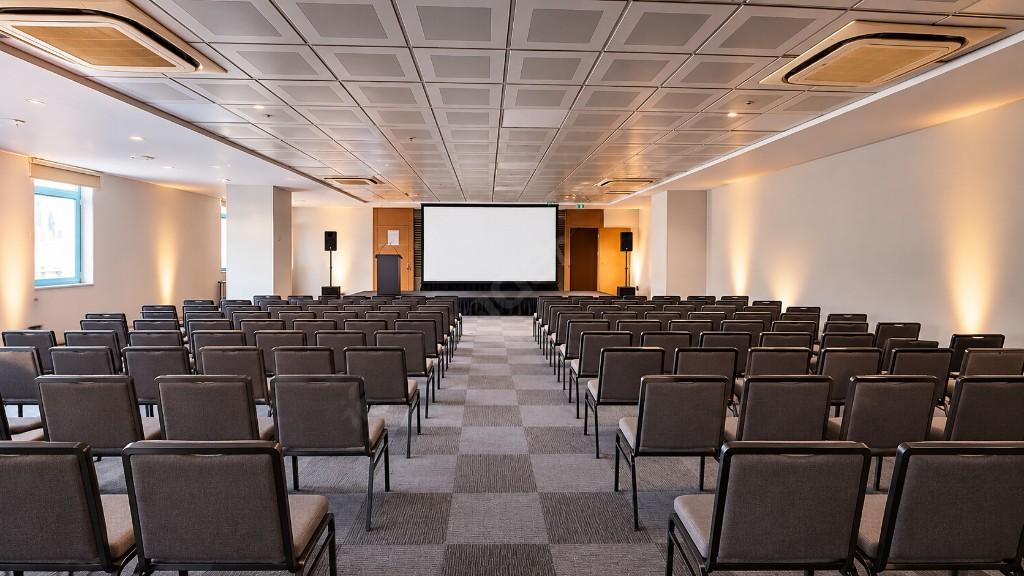
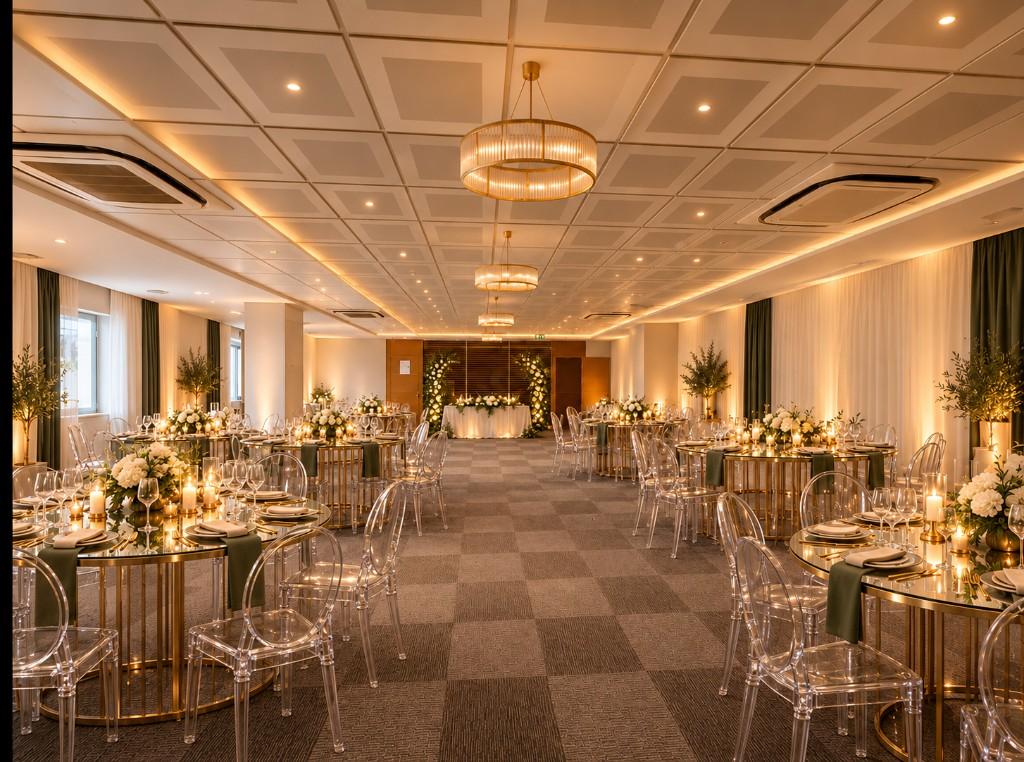
Guest numbers determine more than the quantity of chairs. Family groups, older guests, children and people with mobility requirements all influence the layout. Decide who should sit close to the ceremony area before assigning tables.
Work with an estimated attendance range before the list is final. Test the layout at its lower and upper limits so late changes do not compromise service lanes or views of the ceremony.
Establish a clear focus for the ring ceremony
The ceremony should be visible, leave room for photography and allow the couple to move comfortably. The usable floor space in front of a backdrop matters as much as the backdrop itself.
Record who holds small but important items such as the ribbon, scissors, ring tray and microphone. The person leading the ceremony should know the speaking order and confirmed pronunciation of names.
Walk through moments that need coordination
A long rehearsal is not necessary. A brief walkthrough can confirm where the couple enters, where they stand, when family members join and where the photographer can work without blocking guests.
Align refreshments with ceremony timing
Serving before or after the ring ceremony changes the pace of the event. If speeches or ceremonial moments happen during service, consider the movement and sound of plates and staff.
Assess a menu through service time, table space, dietary requirements and drink replenishment as well as variety. Coordinate the photography and service sequence for cake or dessert.
Do not leave photography flow to the crowd
List the main groups required with the couple and families in advance. Create a waiting point so guests gathering for photographs do not block entrances or service routes.
When choosing decoration, look beyond one photo backdrop. Tables, the ceremony area and general lighting should share the same colour direction. A few repeated materials and tones often feel more coherent than many unrelated details.
Make family responsibilities visible
Assign separate owners for guest welcome, rings and accessories, music, photography groups, gifts and departure tasks. Build a structure in which every small question does not have to reach the couple.
During the final week, use one current working document. Supplier numbers, arrival times, room layout, programme and payment notes should sit together, reducing the risk of relying on outdated messages.
A well-planned engagement is not the sum of elaborate details. It is a balanced flow in which guests move comfortably, the ceremony remains visible and the couple can spend meaningful time with the people closest to them.