Wedding planning
How to Plan a Wedding Day Timeline: A Practical Hour-by-Hour Guide
Build a realistic wedding-day schedule that connects preparation, guest arrival, ceremony, dinner, first dance and closing with workable transition time.
A wedding-day schedule is more than a list of moments in order. Preparation, travel, guest arrival, photography, service and technical transitions all need to fit within the same timeline. A realistic flow allows the couple to experience the day instead of constantly rushing to the next task.
Begin with times that cannot move. Once venue access, ceremony, dinner service or music finish times are clear, the remaining steps can be arranged around that structure.
Plan backwards from fixed times
If the ceremony begins at 19.30, do not assume every guest will arrive at exactly that moment. Allow for parking, entering the venue, finding tables and greeting relatives. The invitation time and main ceremony can be separated by a controlled welcome period.
Preparation time should not equal only the estimated duration of hair and make-up. Include dressing, accessories, a short portrait session, travel and unexpected delays. Add buffers around critical stages so one late task does not move the entire programme.
Separate venue setup from guest arrival
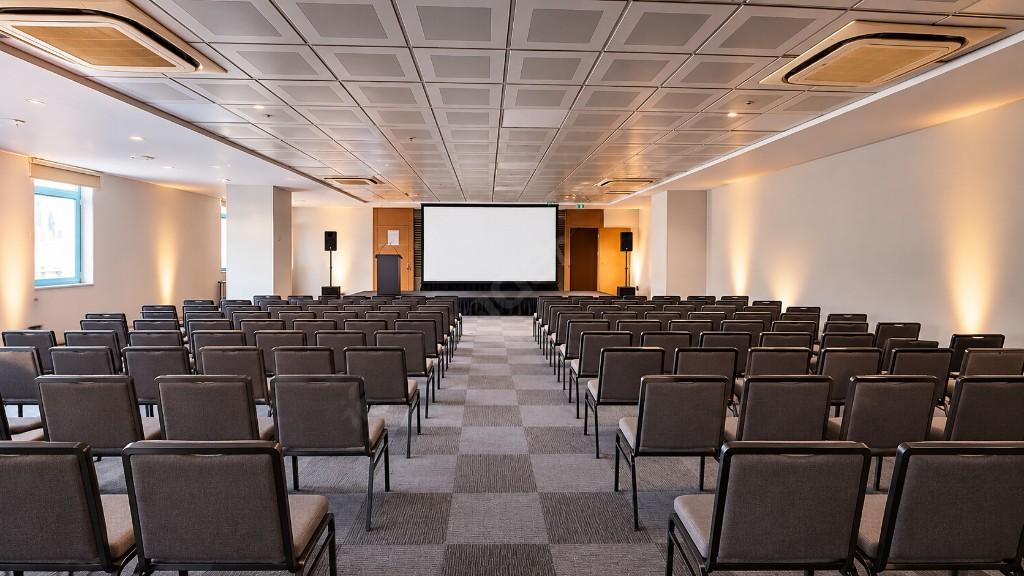
Table placement, name cards, florals, lighting, sound and stage checks should be complete before doors open. Confirm when each supplier may enter and who will accept their finished setup.
Complete one final walkthrough
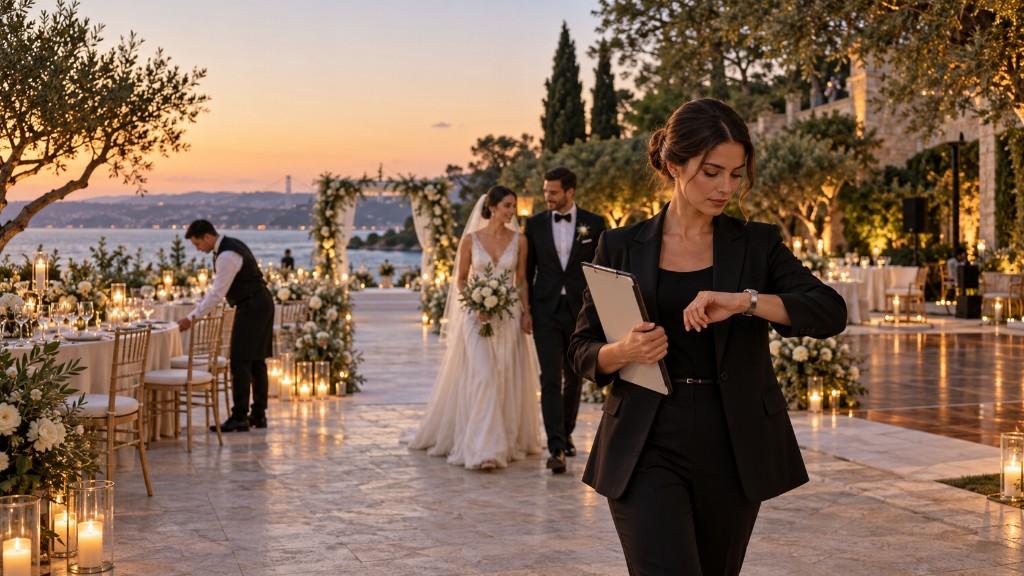
Before guest arrival, a coordinator should inspect the room instead of relying on the couple or immediate family. A short checklist can cover the ceremony table, rings, microphones, music files, seating plan, service routes and specific guest requirements.
Review movement as well as appearance. Check whether chairs narrow service lanes, cables cross a route, and guests with children or mobility requirements can reach their places comfortably.
Create a transition from ceremony to celebration
There is an invisible transition between the end of the ceremony and dinner, congratulations or the first dance. Signing, photographs, stage changes and guest movement all take time. Music and a clear announcement can make this gap feel intentional.
Decide the first-dance time alongside the service plan. A very early dance may meet guests who are still settling; a late one may conflict with extended service. Venue, catering and music teams should work from the same current timeline.
Give photography its own time and owner
When photographs do not appear in the schedule, greeting lines and service can drift. List the people required for family groups and nominate somebody who knows them to gather each group.
For couple portraits, consider available light, movement within the venue and the couple’s need for a short pause. A few controlled photography windows can work better than filling every spare moment.
Include the close of the event
The order of the final song, cake, gifting traditions and other special moments should be agreed in advance. Transport, collecting belongings, payments and supplier departure continue after guests begin to leave.
Turn the final schedule into a one-page working document. Each row should show time, task, location and owner. The couple can receive a simple version while operational teams use one with more detail.
A good wedding timeline does not control every minute rigidly. It protects important moments, leaves room for transitions and makes it clear who can decide when circumstances change.